Bangkok, Thailand
Private Club
Architecture + Interior + FF&E + Construction
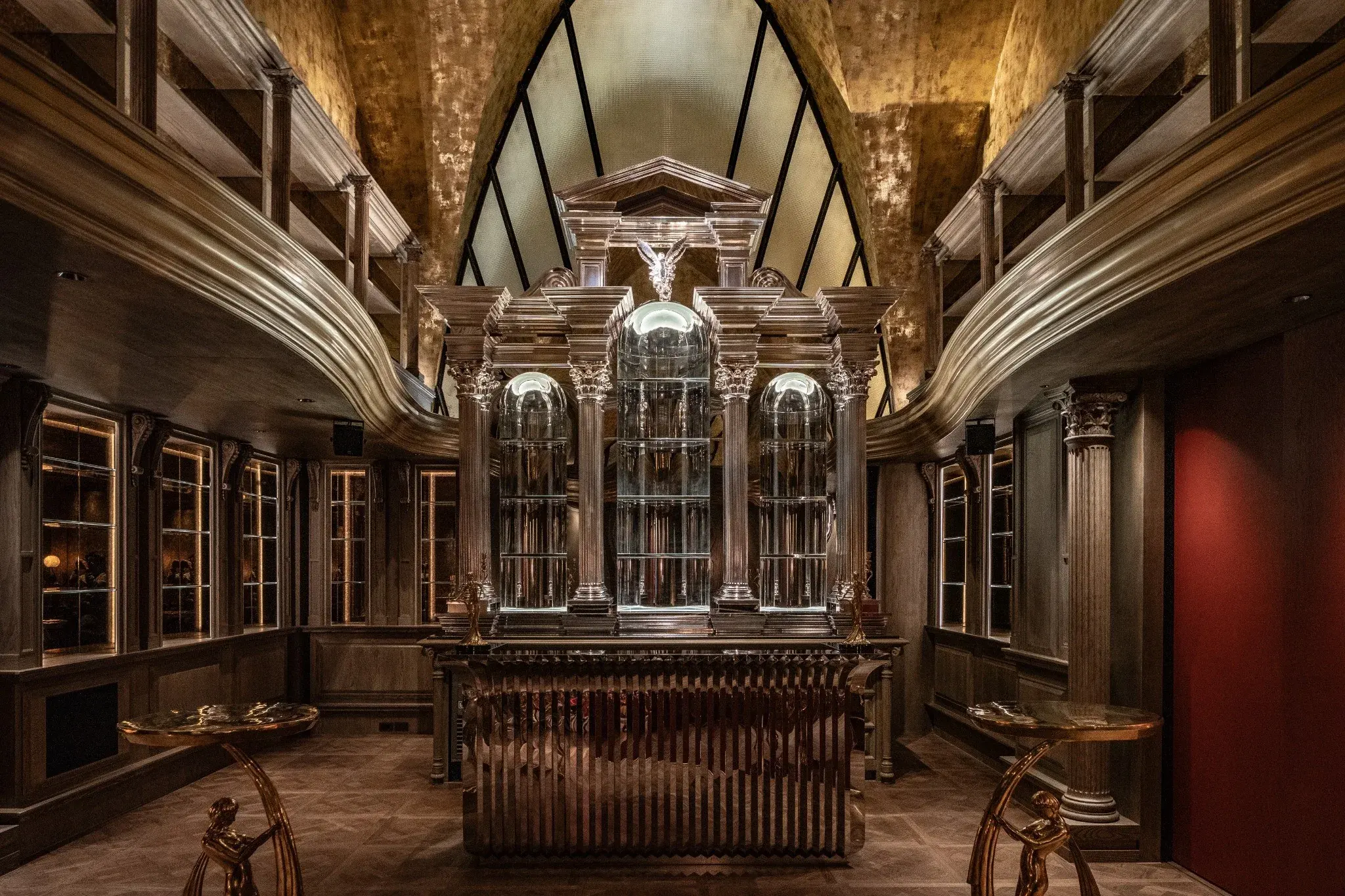
The Club imagines ultra-luxury as a world of contrast: classical richness meeting contemporary provocation, timeless beauty set against the unexpected. Its starting point was not a style to be reproduced, but an atmosphere to be reinterpreted—sensual, theatrical, artistic and unmistakably of the present.
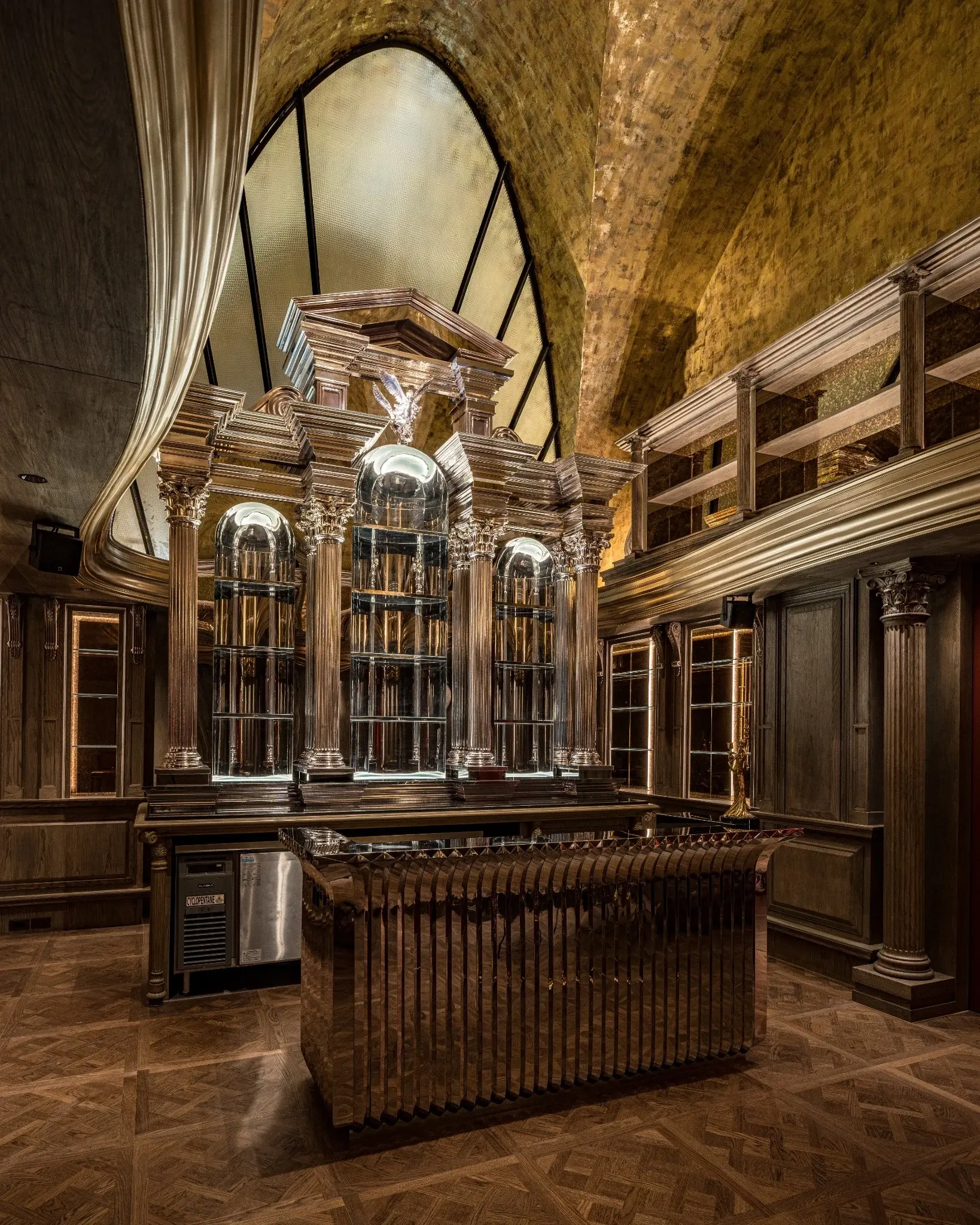
Rather than borrowing the language of traditional luxury, SpaceLAB composed a new one. Architecture, furniture, lighting, art and objects are conceived together, allowing richness to emerge through proportion, rarity, craftsmanship and the quiet intensity of detail. Here, luxury is not simply a matter of material value; it is the feeling of encountering something that exists nowhere else.
Every layer was created specifically for The Club. Walls, ceilings, screens, lighting, loose furniture, objects and decorative pieces were developed through close collaboration with craftsmen and specialist fabricators. Together they form a private interior of richness and restraint—artistic, sensual and highly individual, with each detail belonging only to this place.
The project began with the tension between two worlds: the beauty, mythology and sensuality of classical art, and the disruptive confidence of contemporary art placed within a richly ornamented setting. From that encounter came the central idea for The Club—a form of luxury that feels familiar in its depth and ceremony, yet unexpected in its expression.
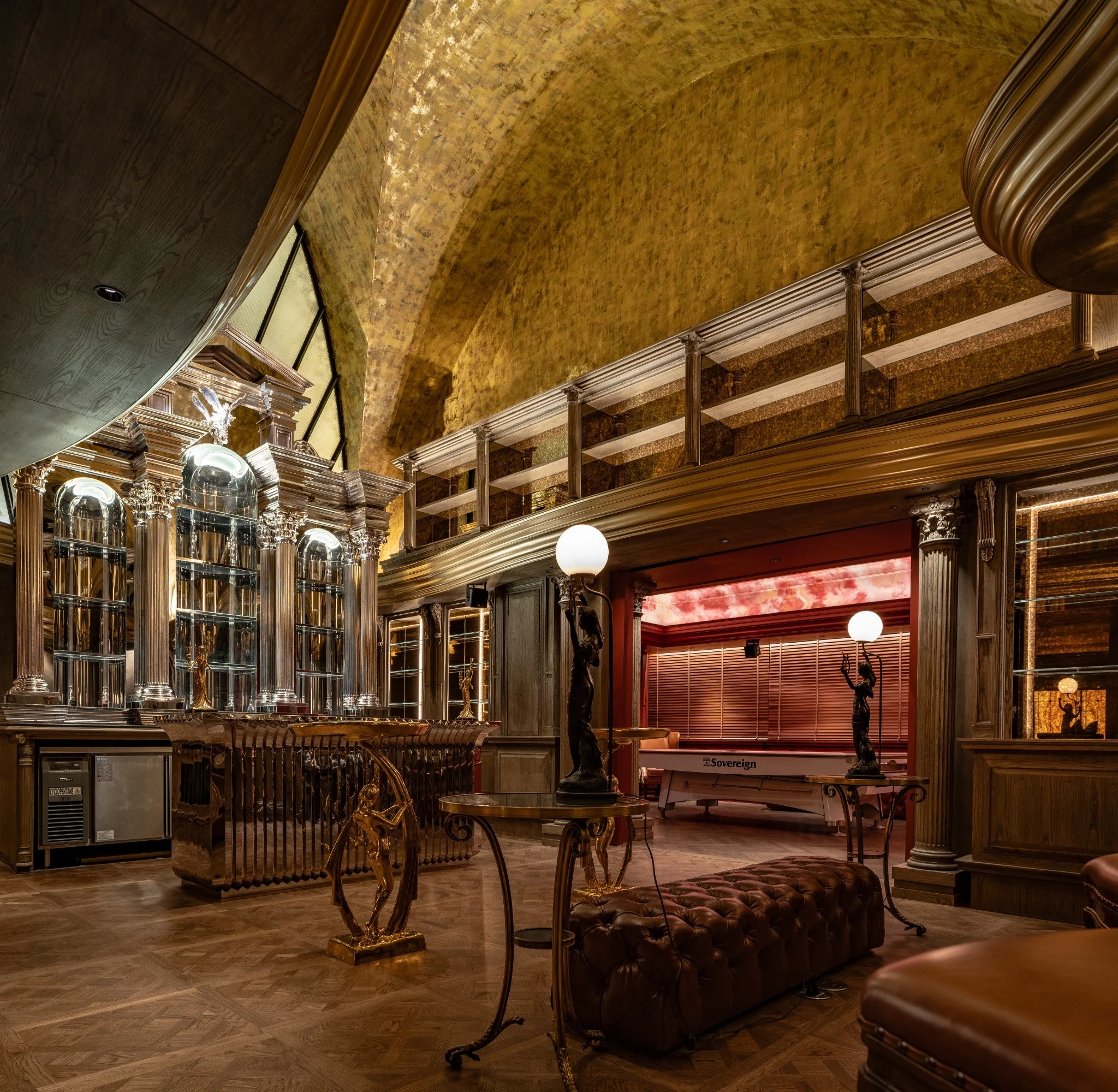
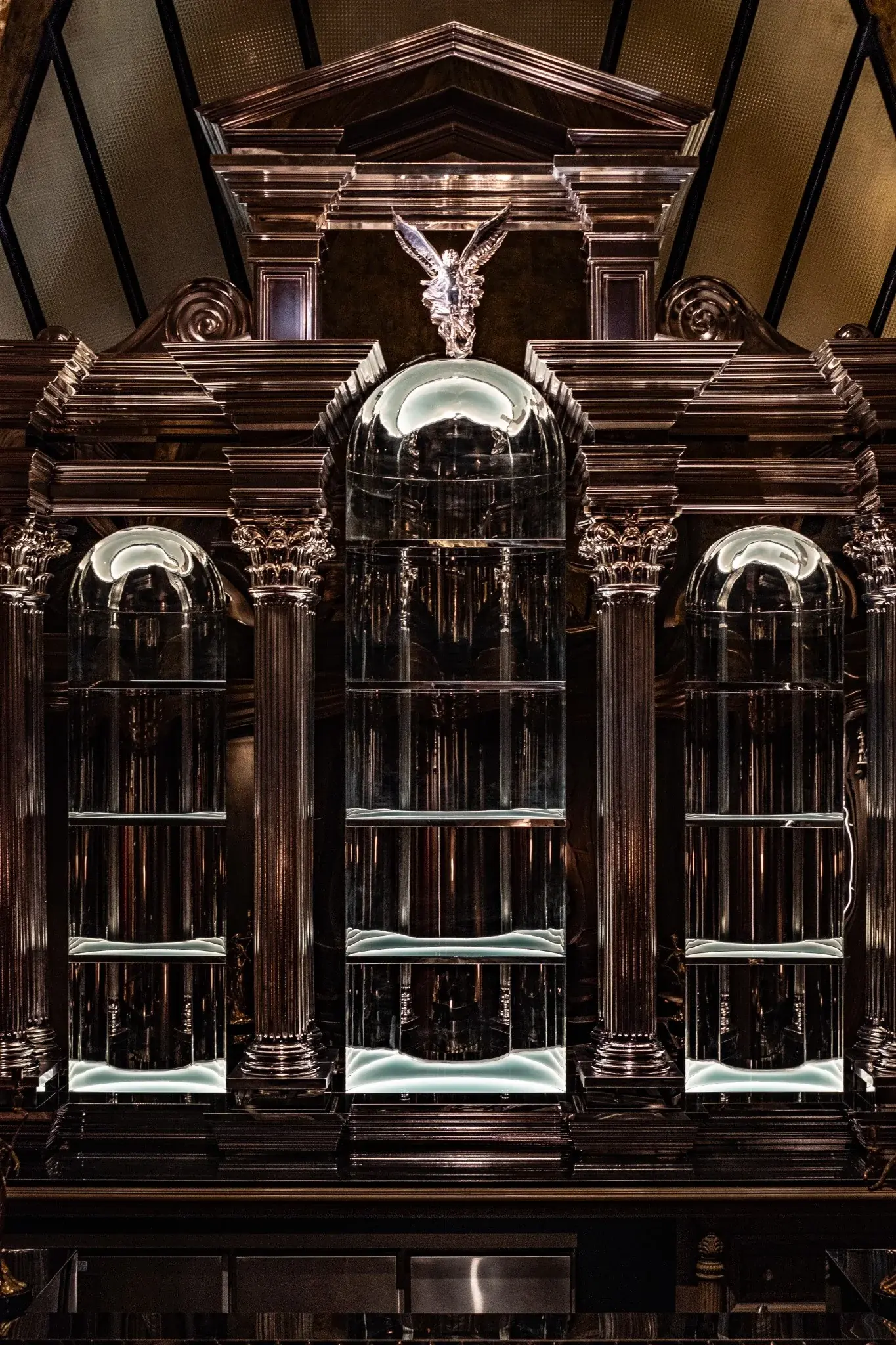
Nothing in The Club was conceived as an isolated selection. Furniture, lighting, screens, surfaces, objects and architectural details were drawn into one authored world, with many pieces designed and made exclusively for the project. Their value lies not only in what they are made from, but in the thought, experimentation and craftsmanship that make them impossible to repeat in quite the same way.
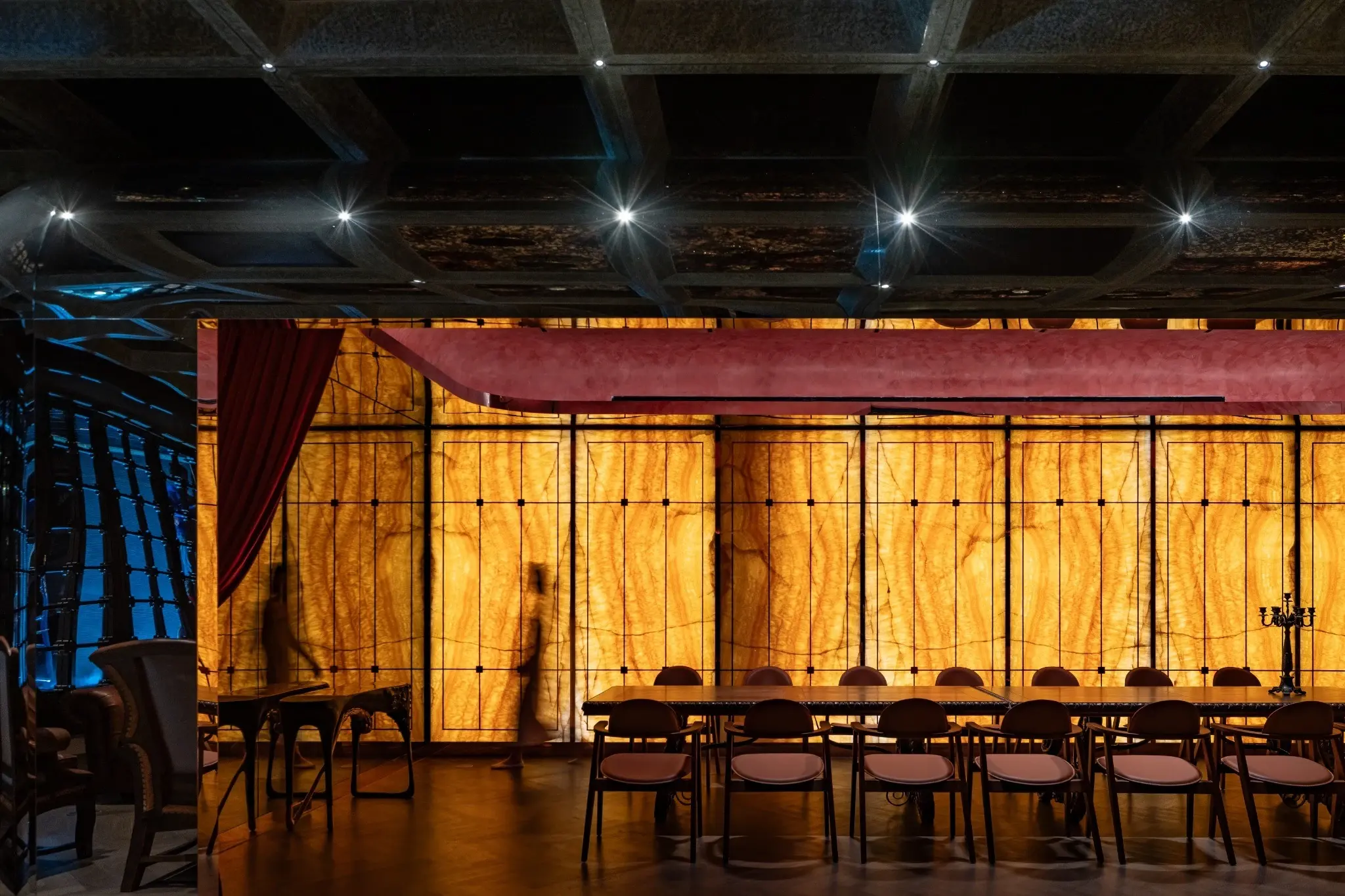
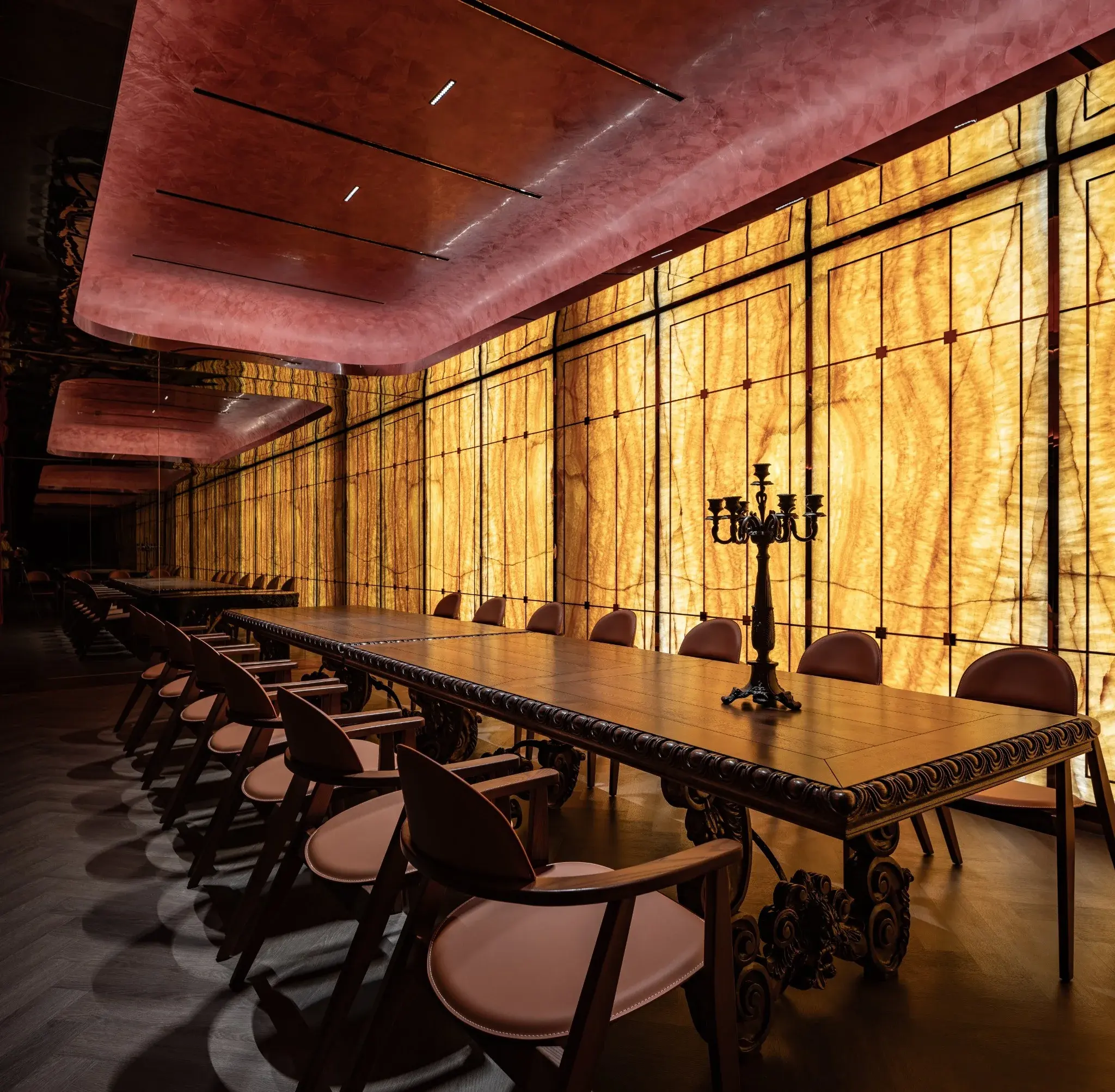
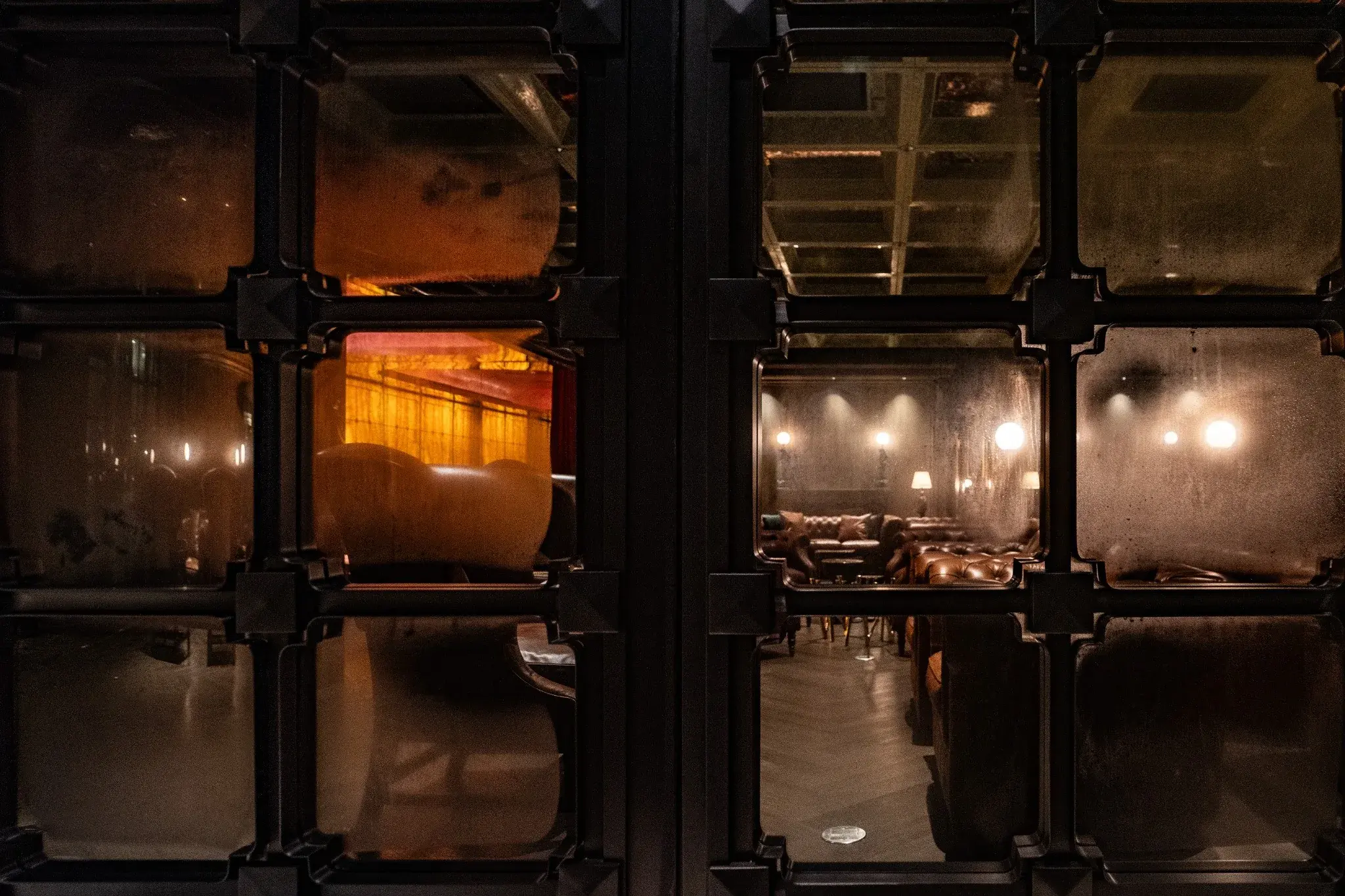
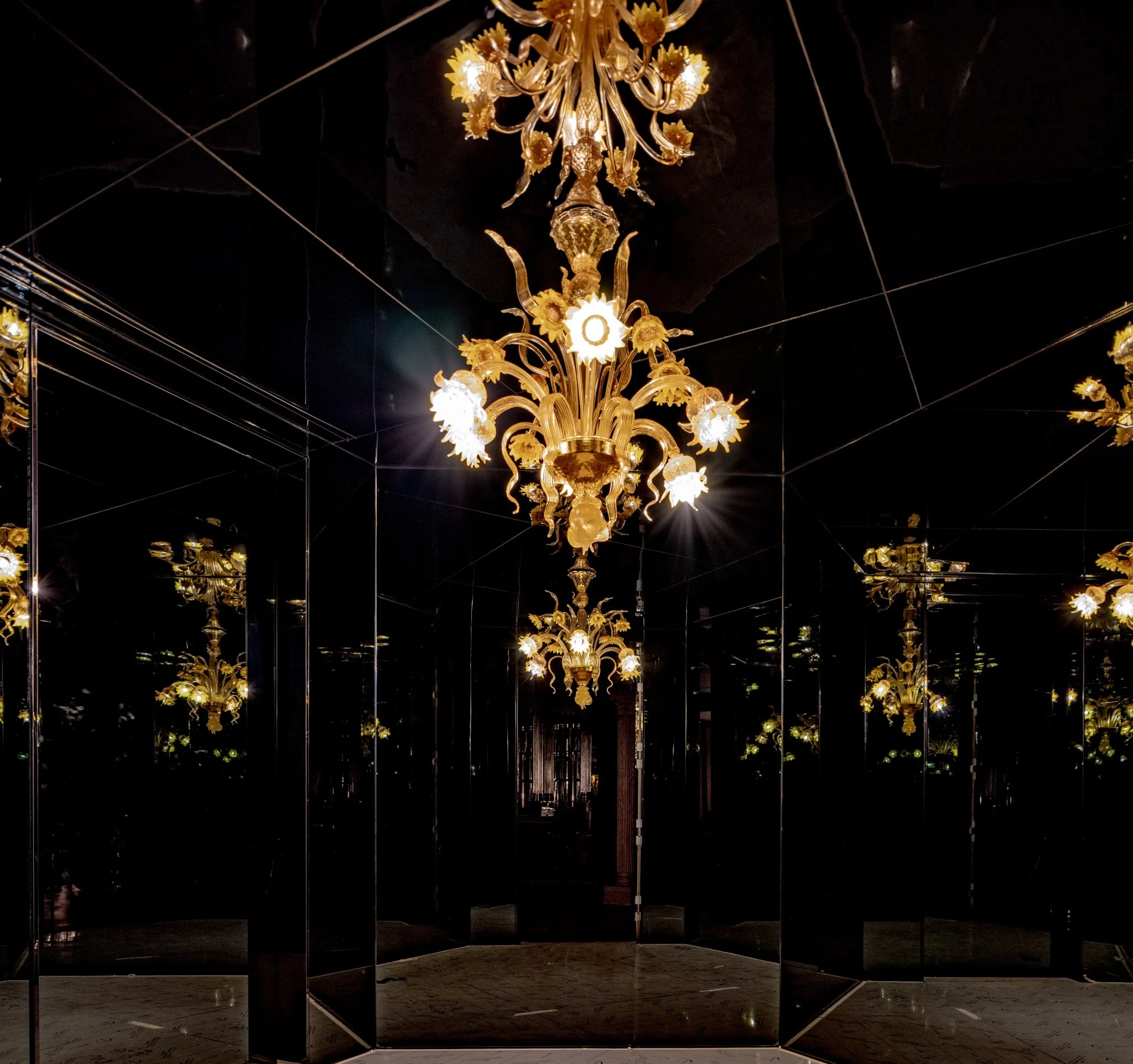
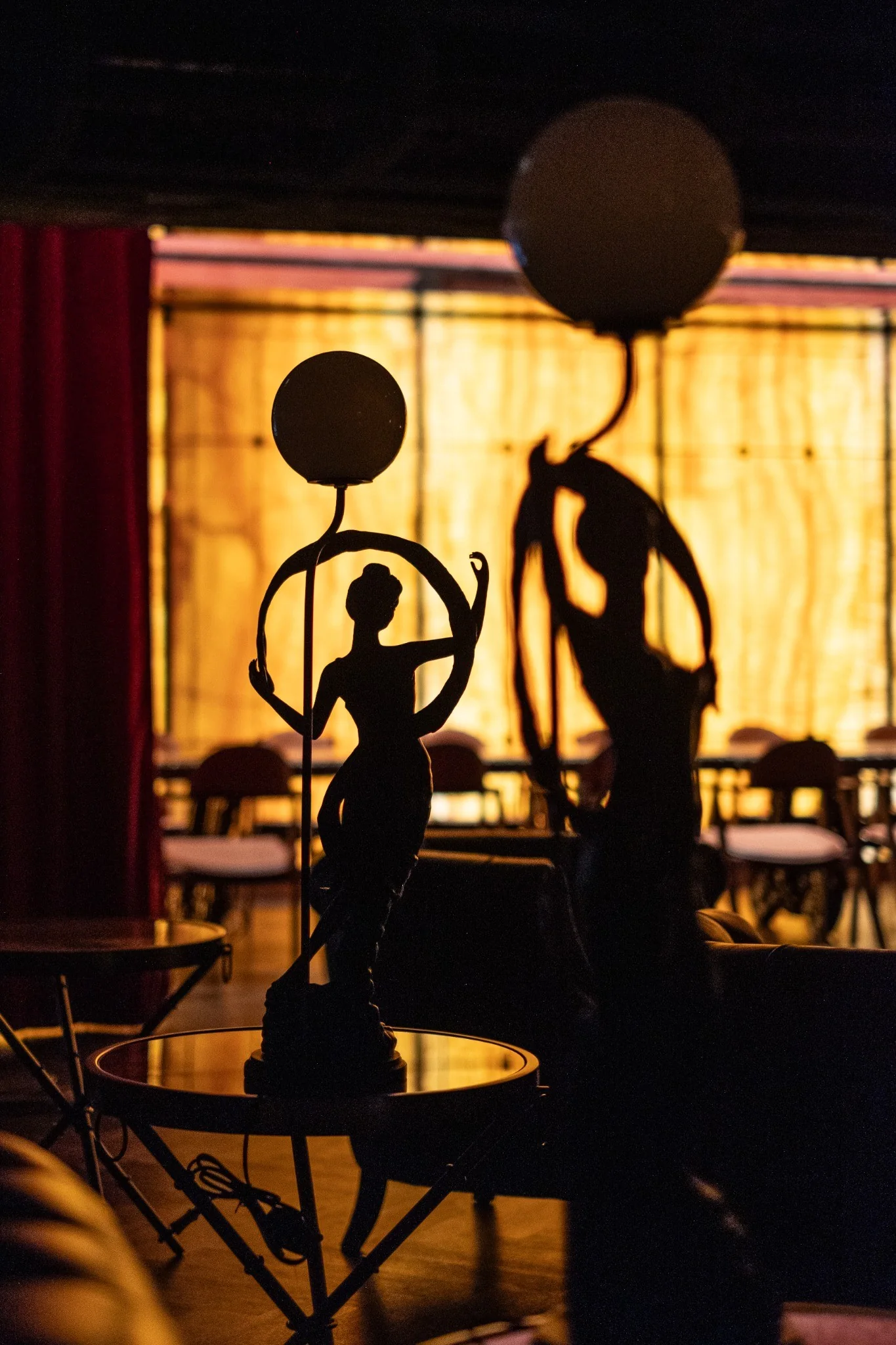
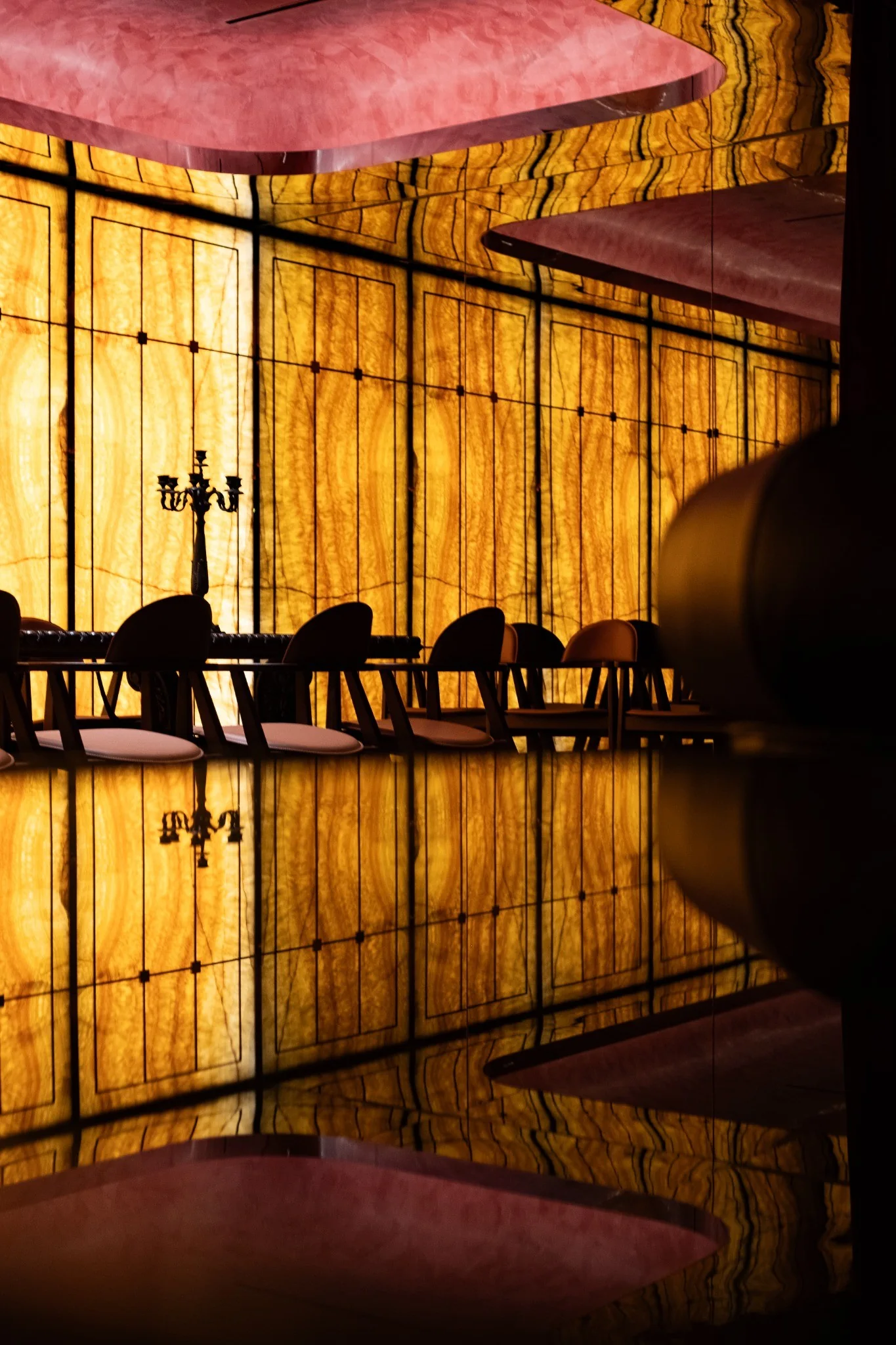
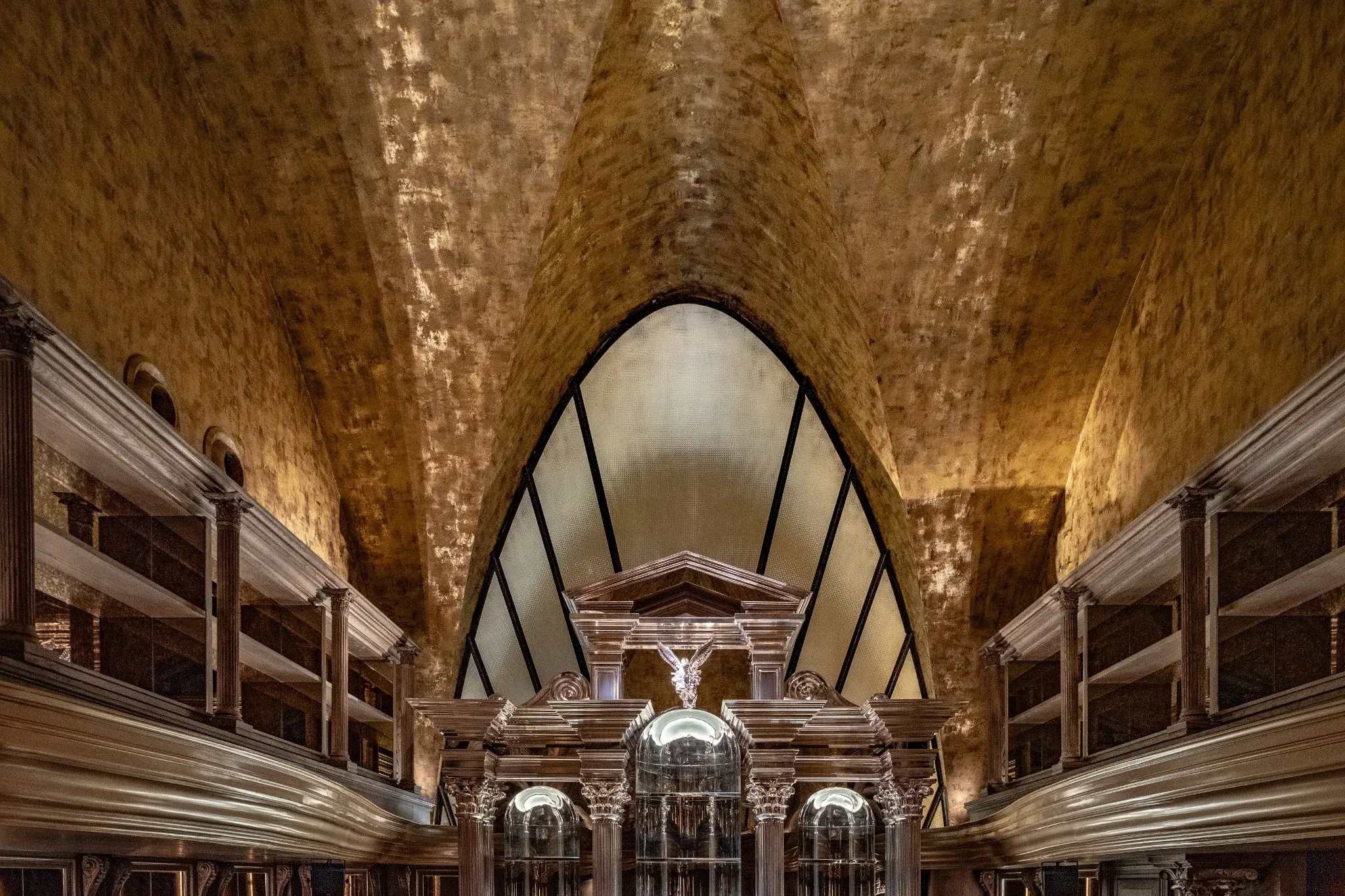
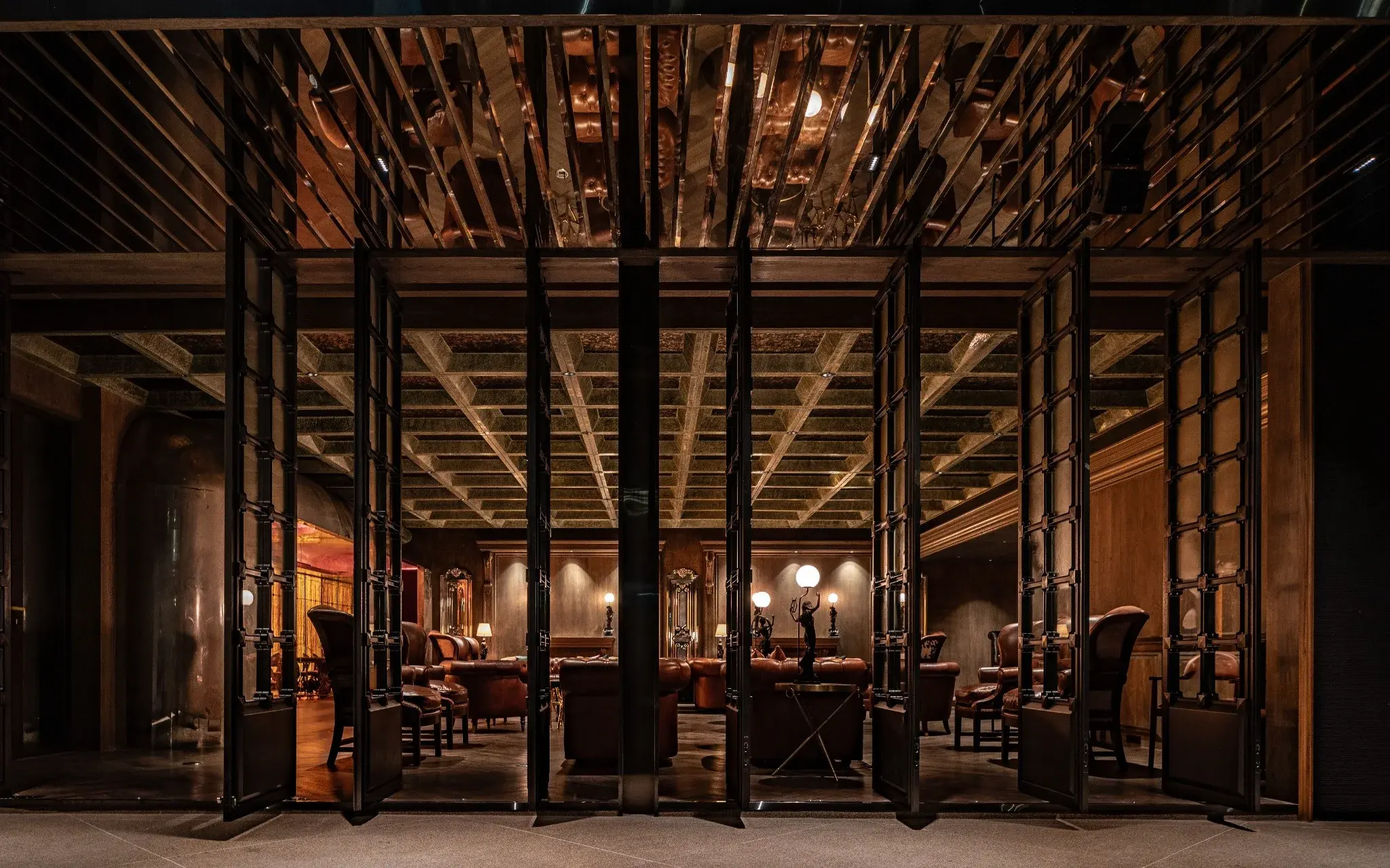
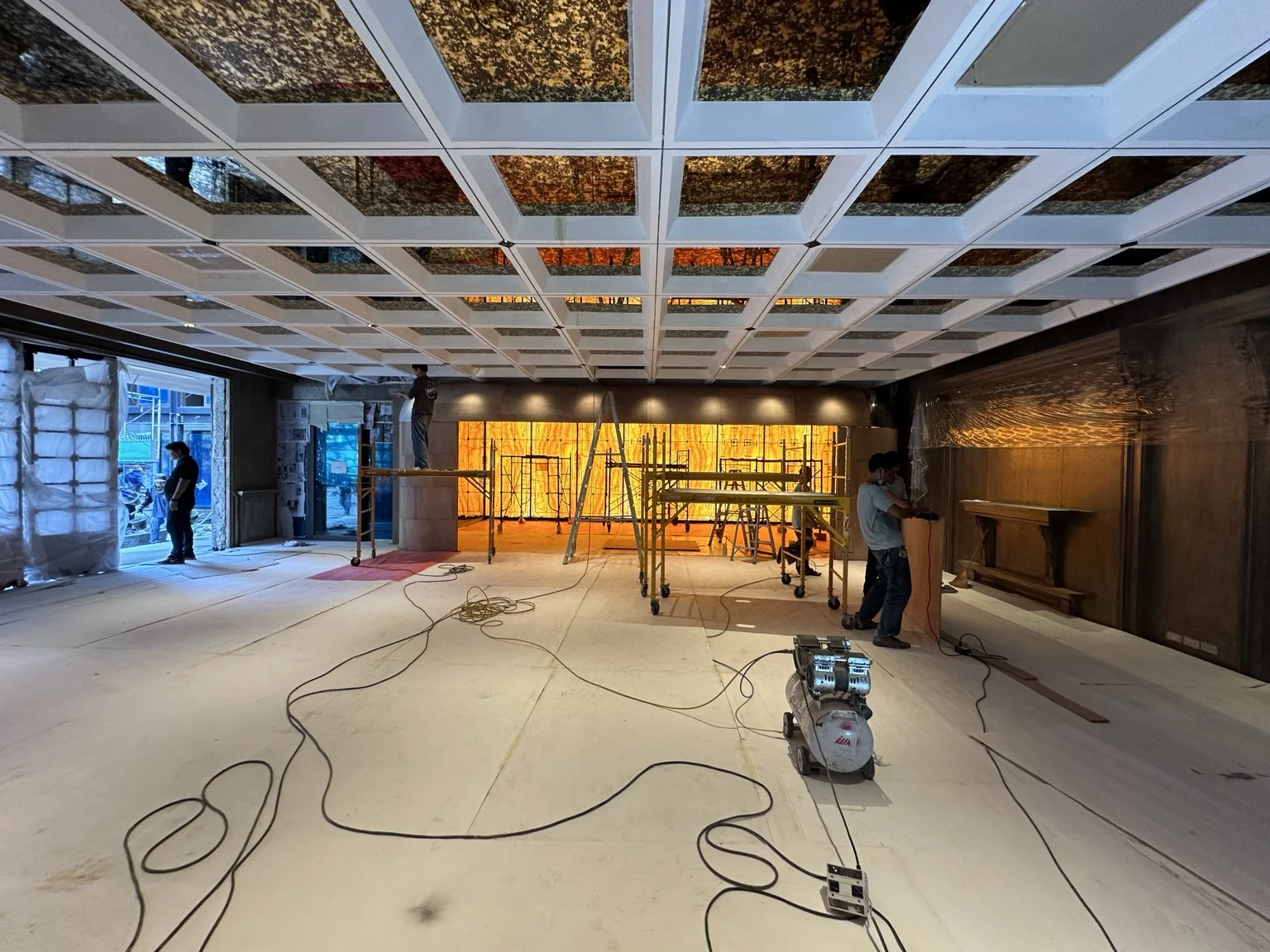
The identity of The Club is built through making. Special construction techniques and close collaboration with craftsmen allowed curved ceilings, reflective surfaces, custom junctions, bespoke furniture and decorative pieces to be developed beyond the conventions of interior fit-out. Each element carries the trace of how it was conceived and fabricated. Craft is not an embellishment added at the end; it is embedded in the architecture itself.
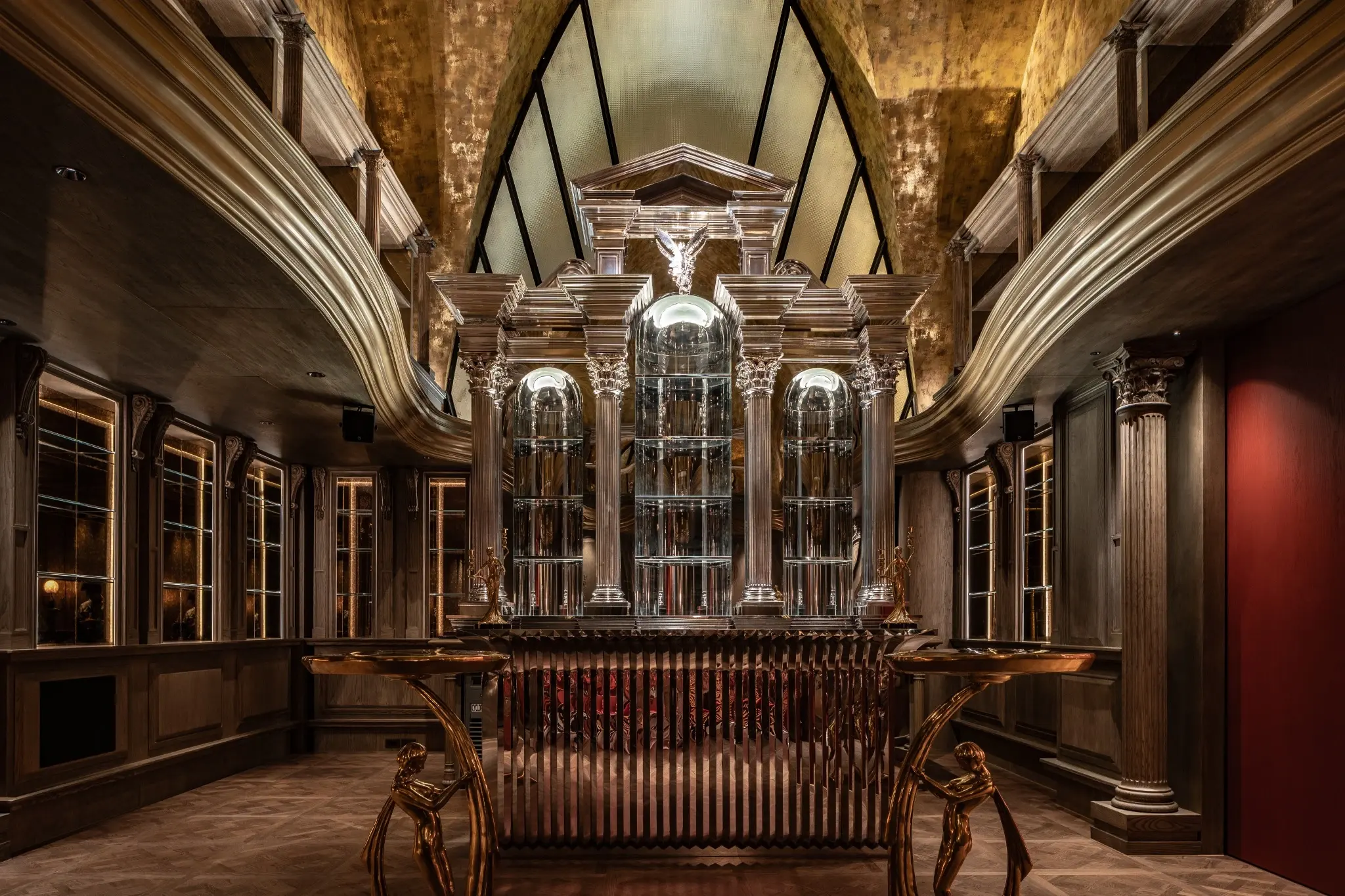
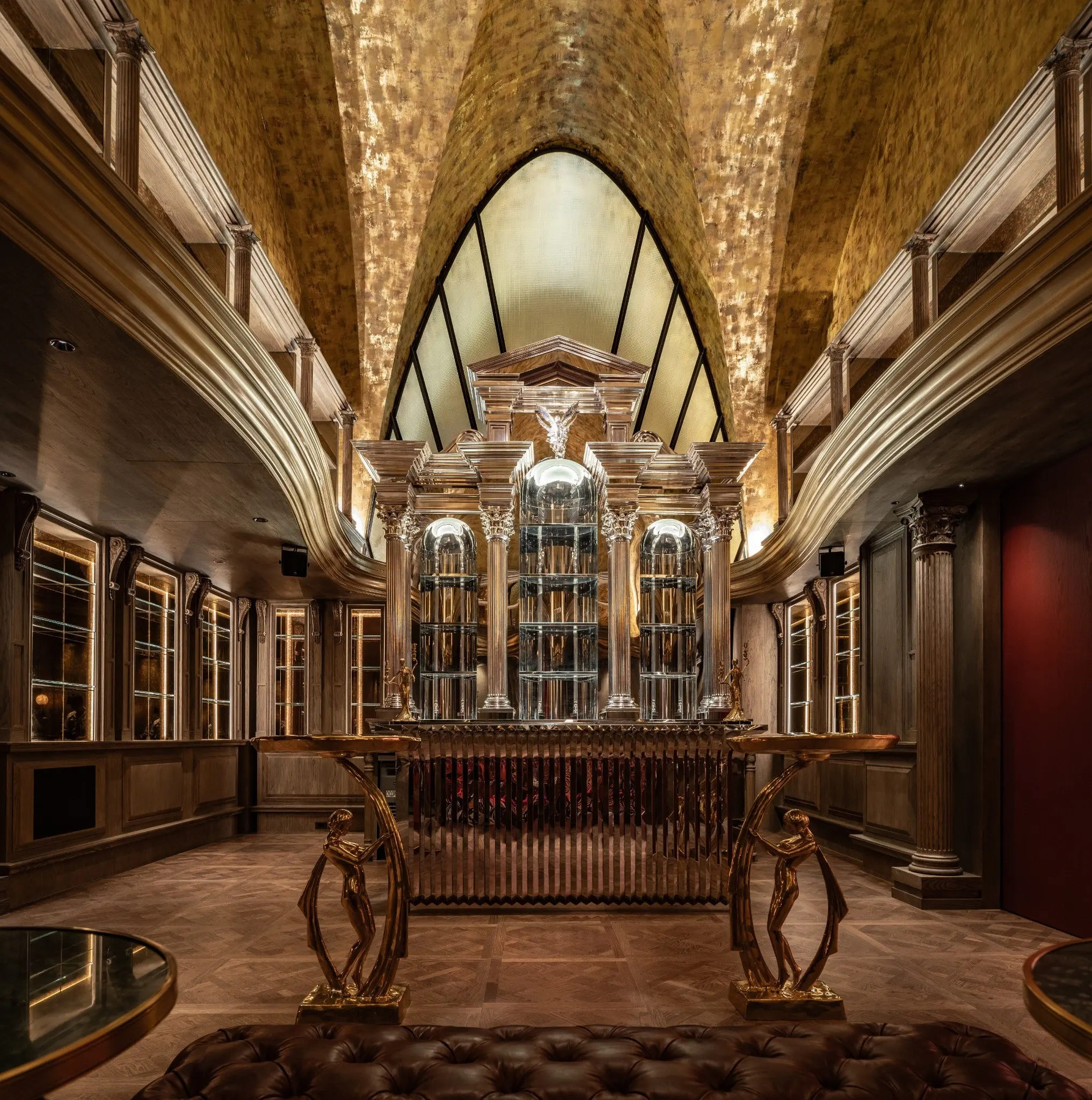
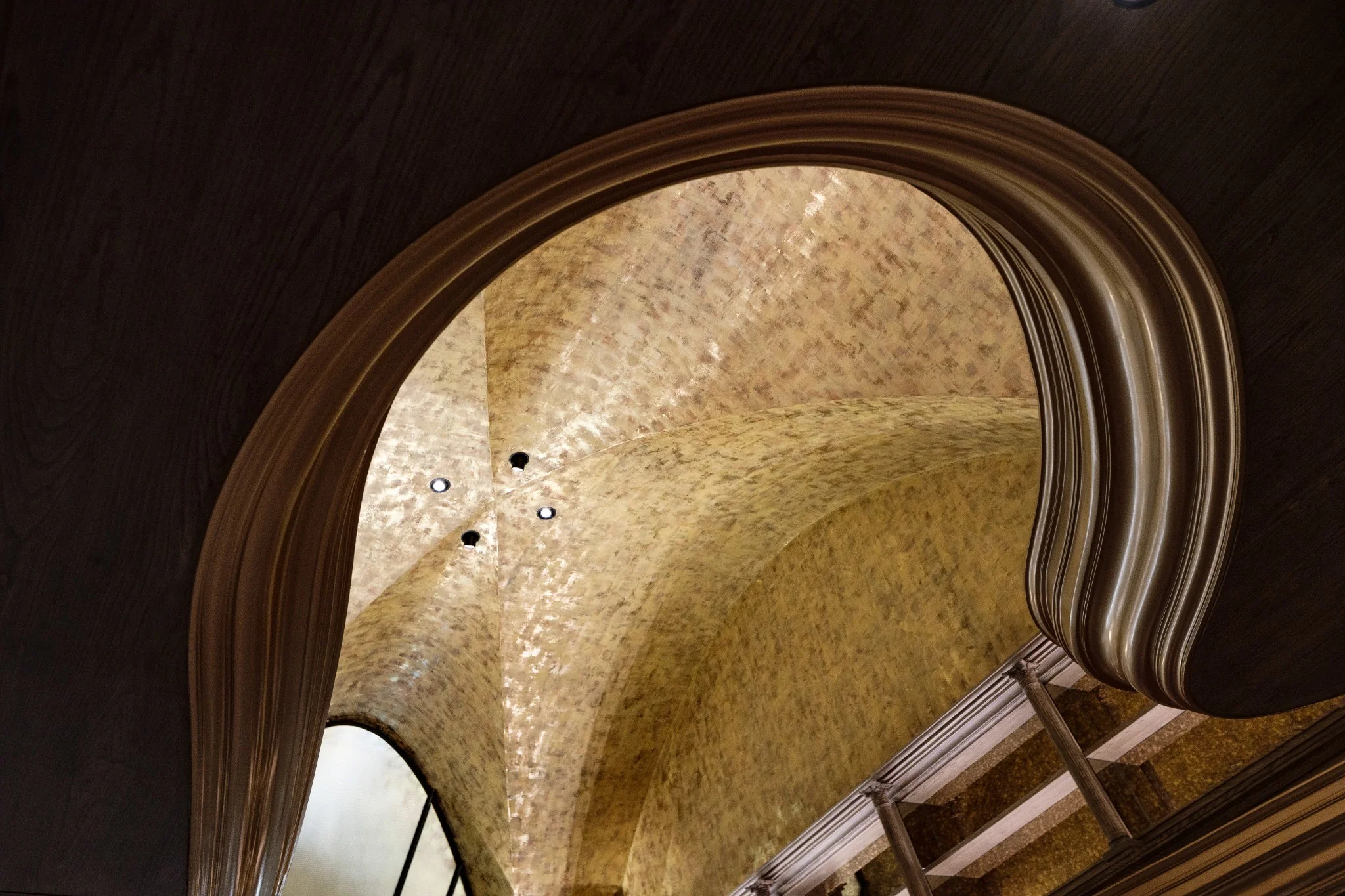
The vaulted ceiling of the main lounge was not treated as a conventional decorative finish. An artisan built its golden texture slowly by hand, working across the surface inch by inch. Subtle variations in touch, density and reflection give the ceiling a depth that cannot be reproduced by an industrial coating.
For The Club, this is the meaning of contemporary luxury: not excess for its own sake, but time, skill and individuality made visible. The surface carries the hand of its maker, turning the ceiling into a one-off architectural artwork created only for this room.
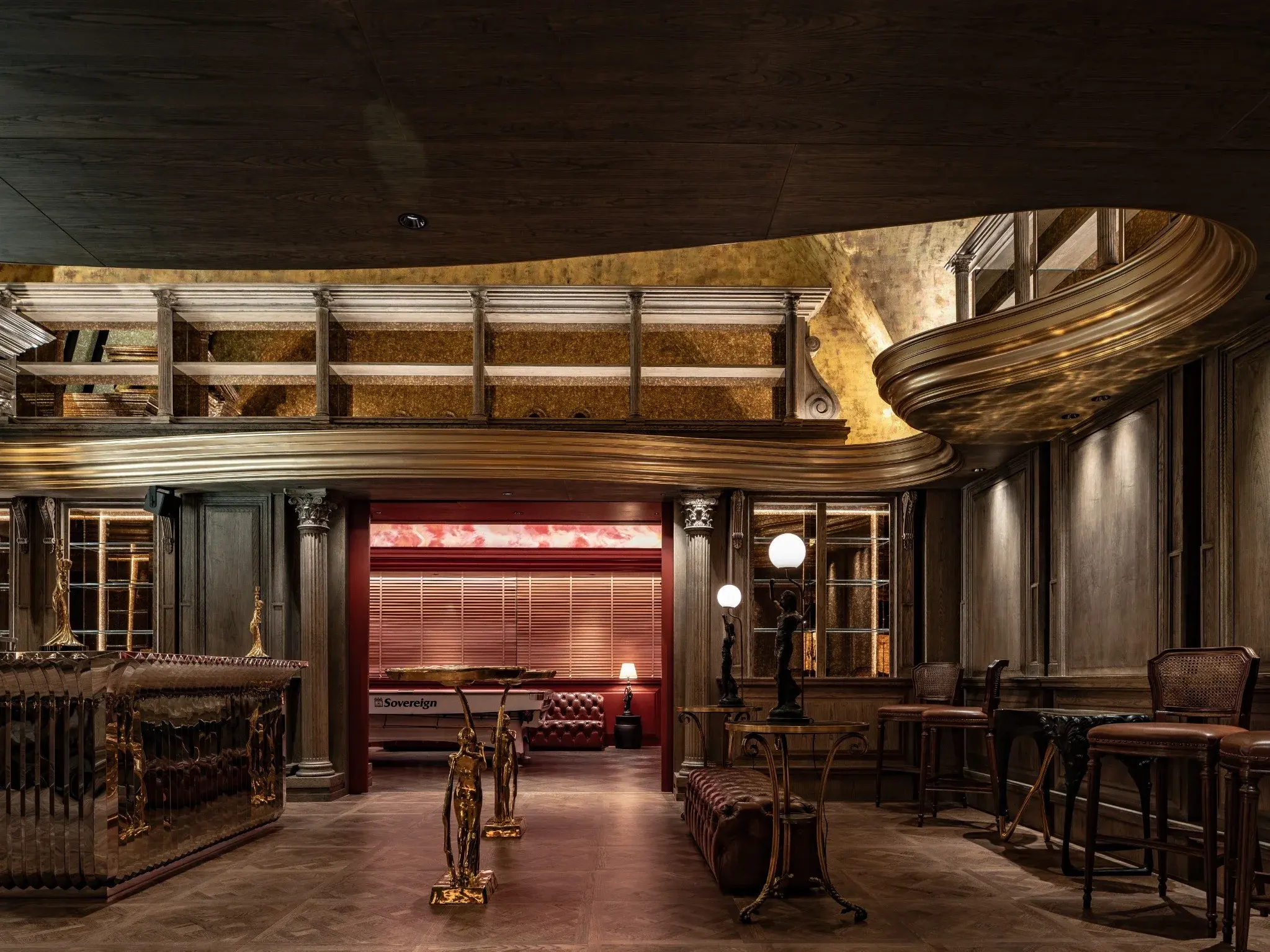
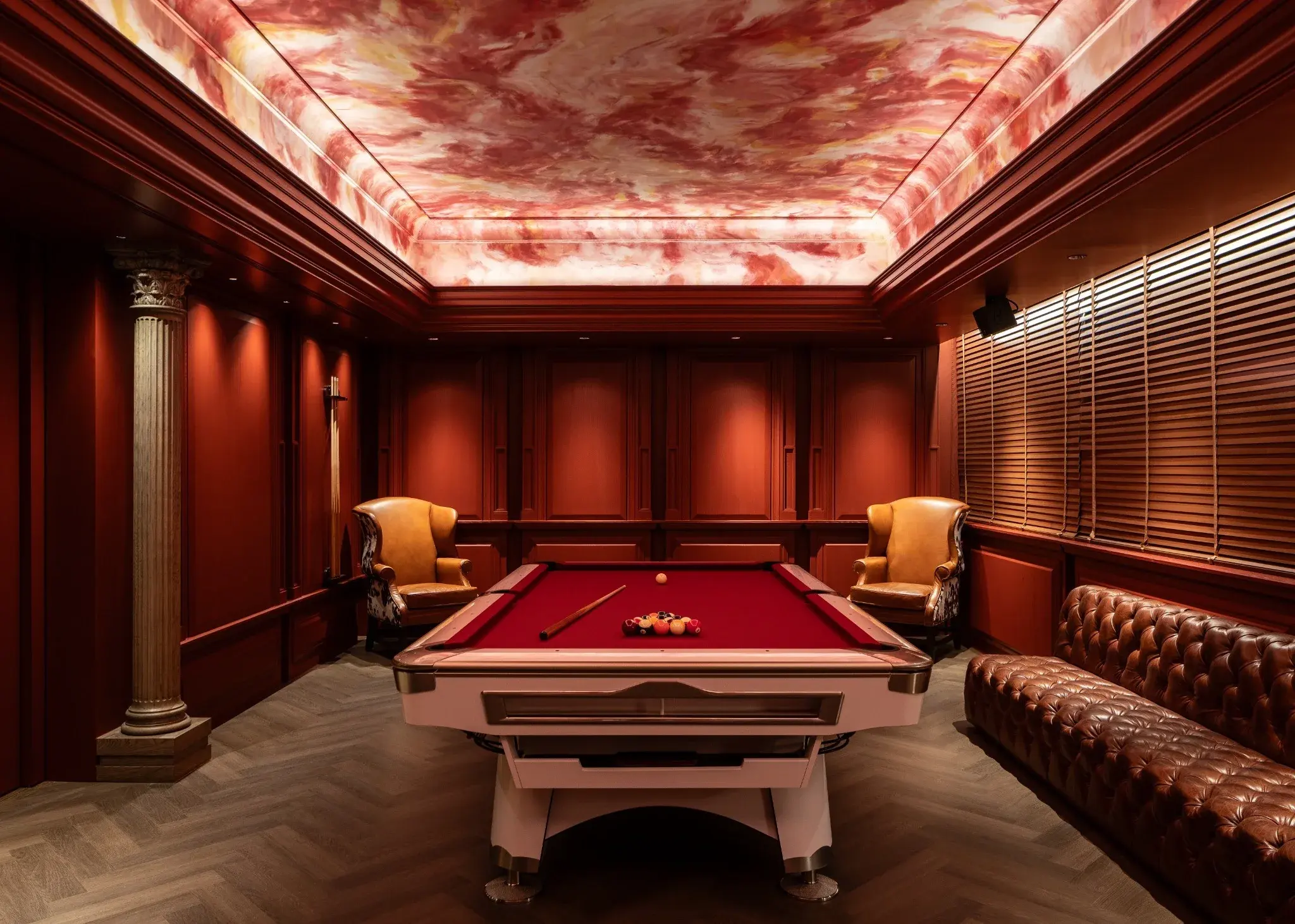
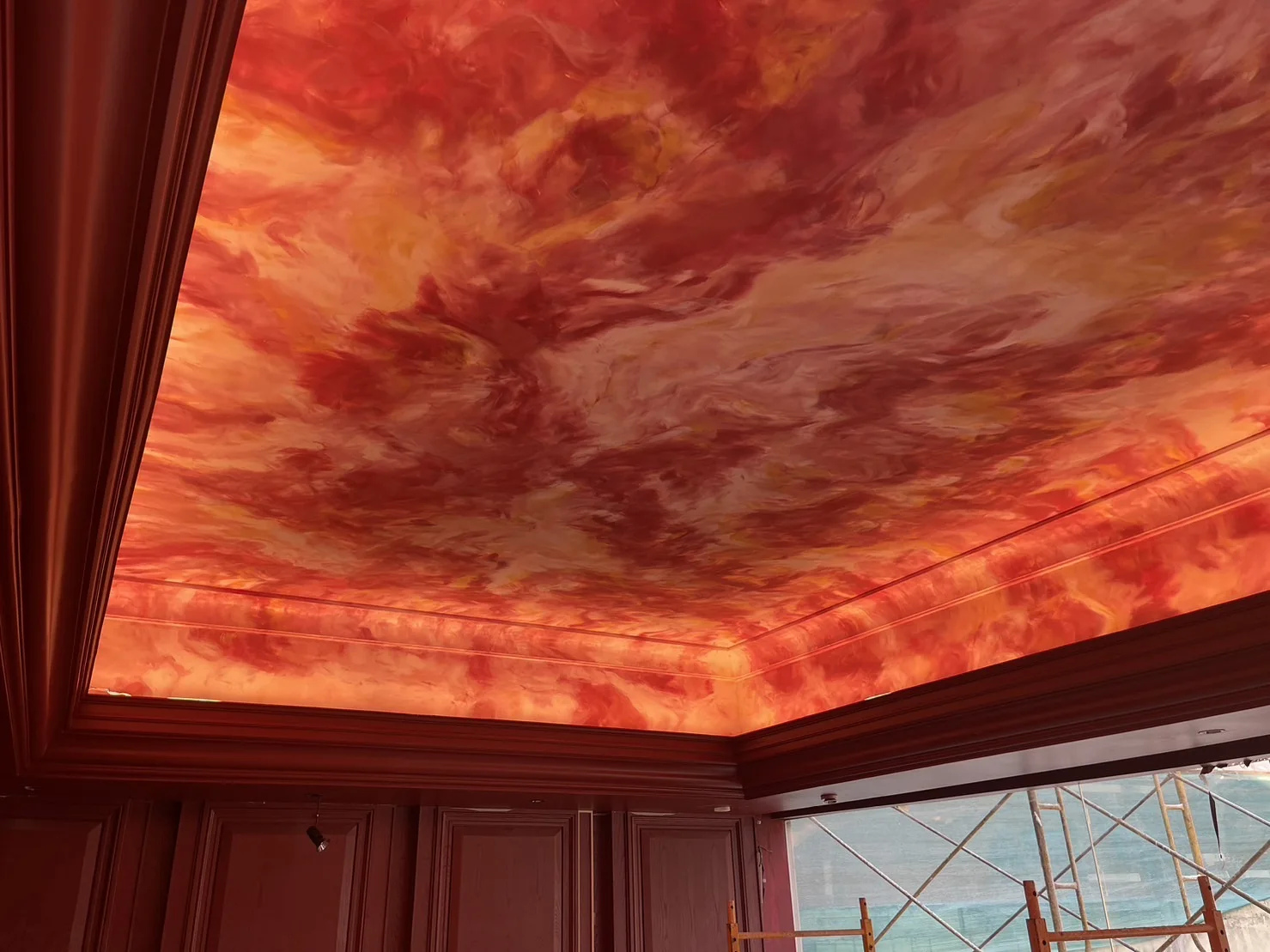
The Game Room ceiling was developed as a custom-painted field of colour and texture, created specifically for the atmosphere of the space. Layer upon layer is applied by hand so that colour never reads as a flat finish: tones deepen, dissolve and overlap, while variations in texture catch the light differently across the ceiling.
The result gives the room a more charged and dynamic presence—warm, intense and almost restless. Colour seems to move across the surface rather than remain still, creating a sense of energy that shifts with light, viewpoint and occupation. The ceiling becomes less a background than an active element within the room.
For The Club, colour is therefore not simply decorative. It carries mood, movement and emotional temperature. Combined with the trace of the artisan's hand, the painted surface gives the Game Room its own material identity: sensual, vivid and continuously alive, yet still belonging to the larger world of the project.
The material palette of the Living Hall draws from one of the project’s earliest references, Botticelli’s The Birth of Venus. Rather than translating the painting through image or ornament, the design extracts its chromatic atmosphere: mineral greens, muted blue-green tones, warm flesh hues, touches of gold and a particular softness of light.
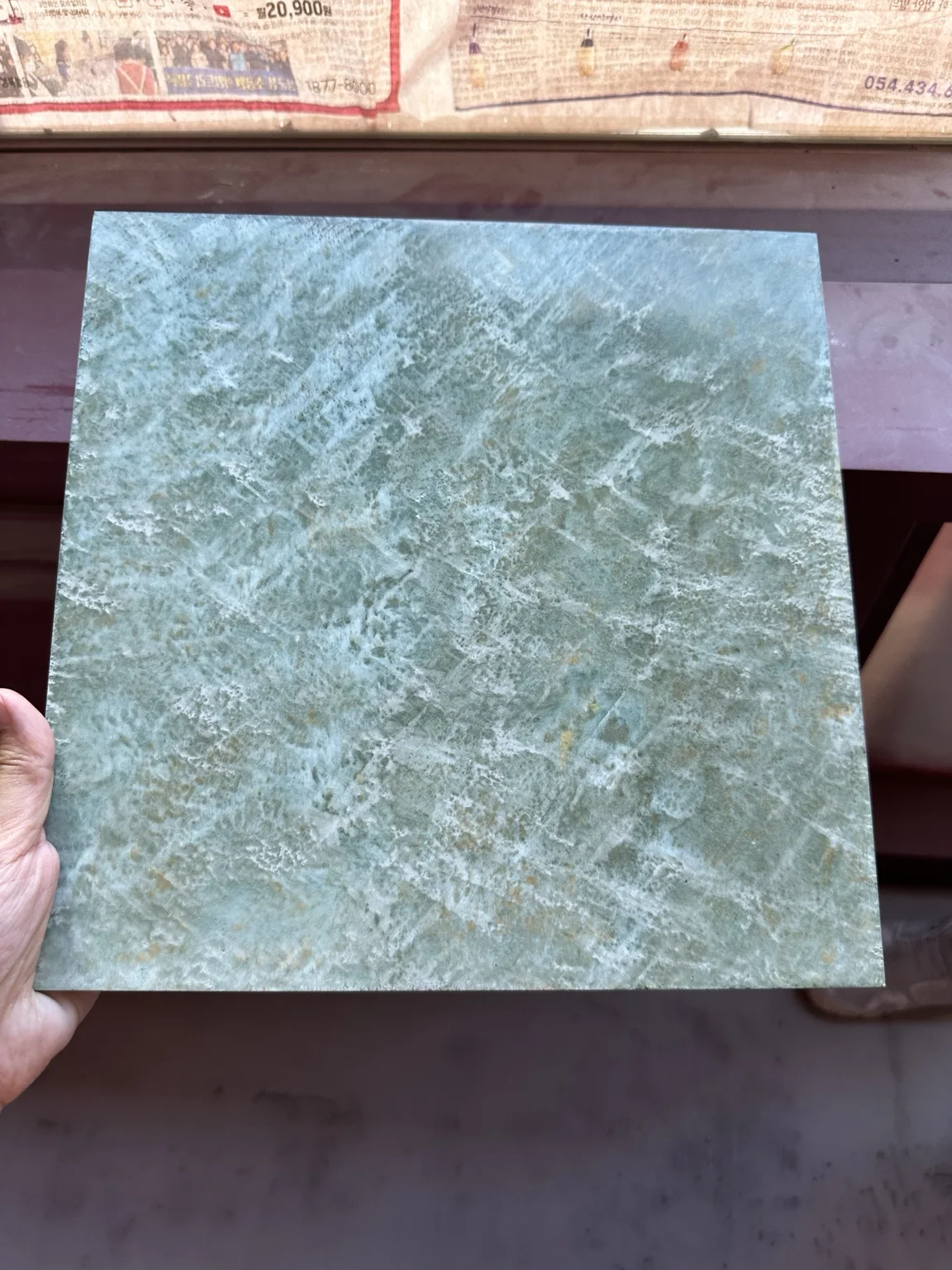
A custom jade-textured finish was developed for the room and applied by hand. Its layered surface shifts between green, grey and pale mineral tones, producing subtle variations in depth and luminosity. The finish is deliberately irregular; traces of the making process remain visible, giving the surface a quality closer to a naturally formed material than a conventional decorative coating.
Antique gold mirror introduces a warmer register. Its aged and imperfect surface catches light without returning a precise reflection, dissolving the room into fragments of colour, shadow and movement. Against the coolness of the jade, these golden reflections create a restrained tension between mineral depth and luminosity.
Together with the surrounding timber and softly illuminated surfaces, these materials transform the palette of The Birth of Venus into an architectural atmosphere. The reference is present, but never reproduced. It is absorbed into colour, texture, reflection and light—allowing a Renaissance painting to inform a distinctly contemporary interior.
The painting is not represented within the room; its atmosphere is reconstructed through material.
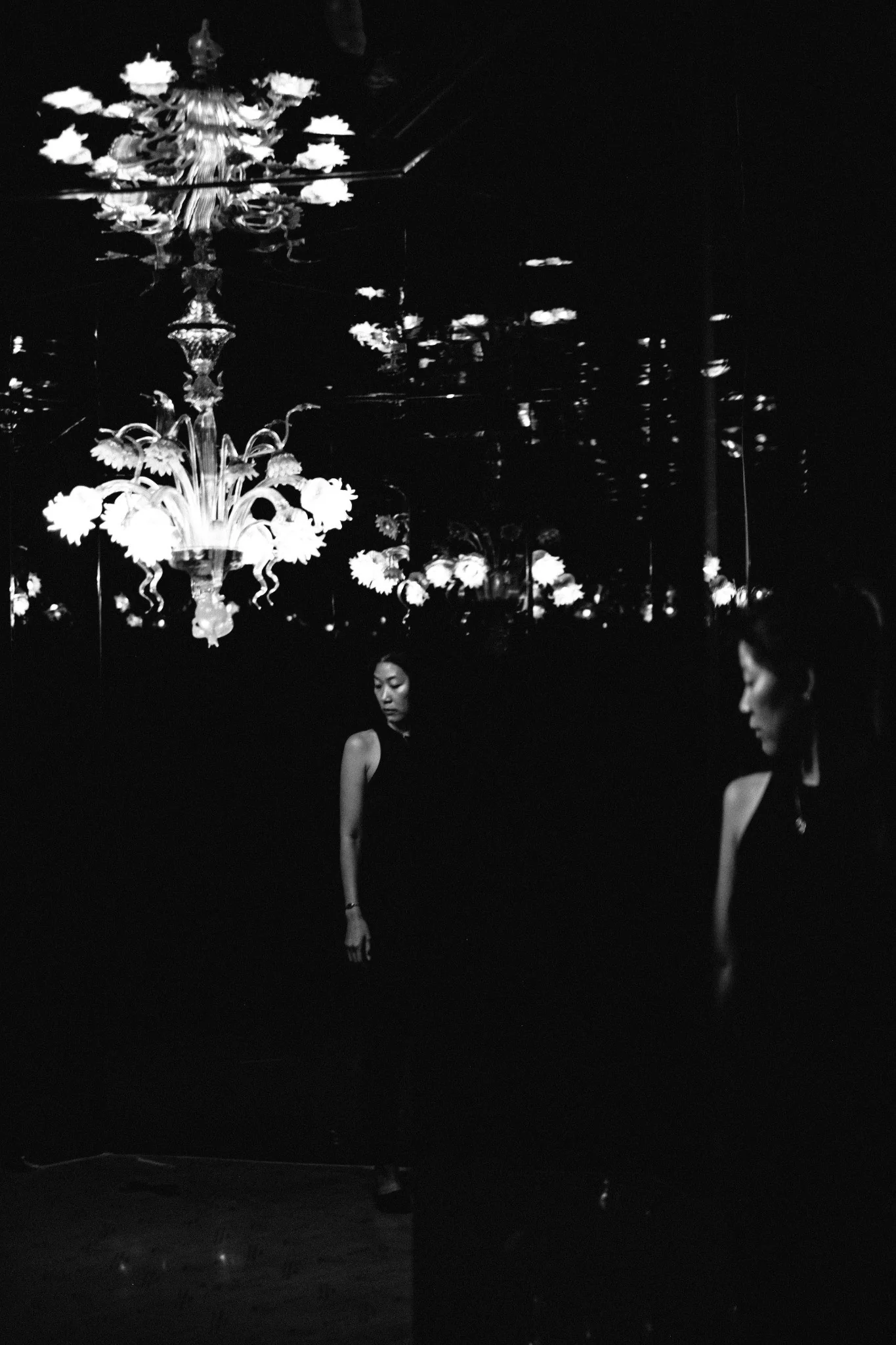
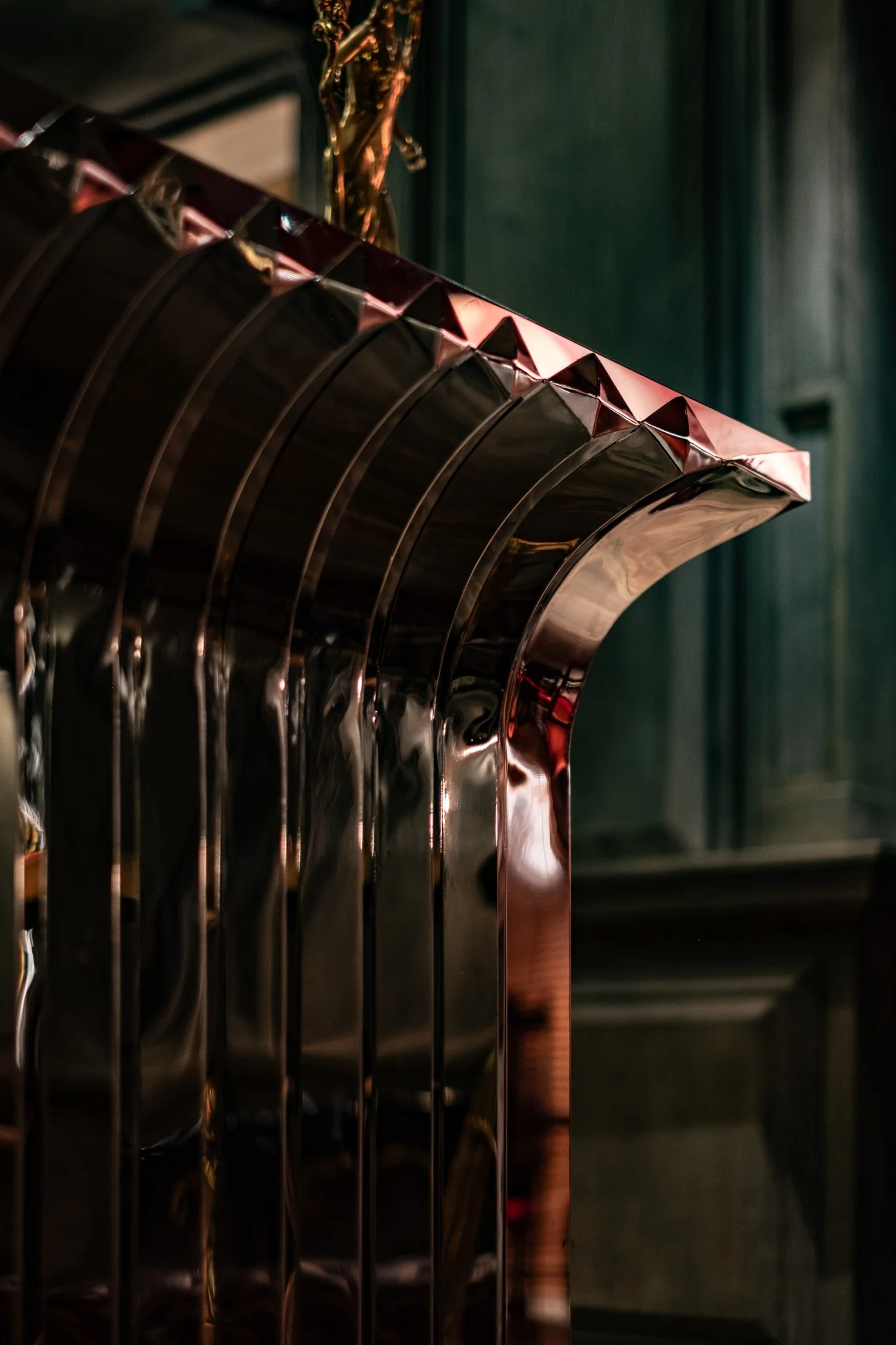
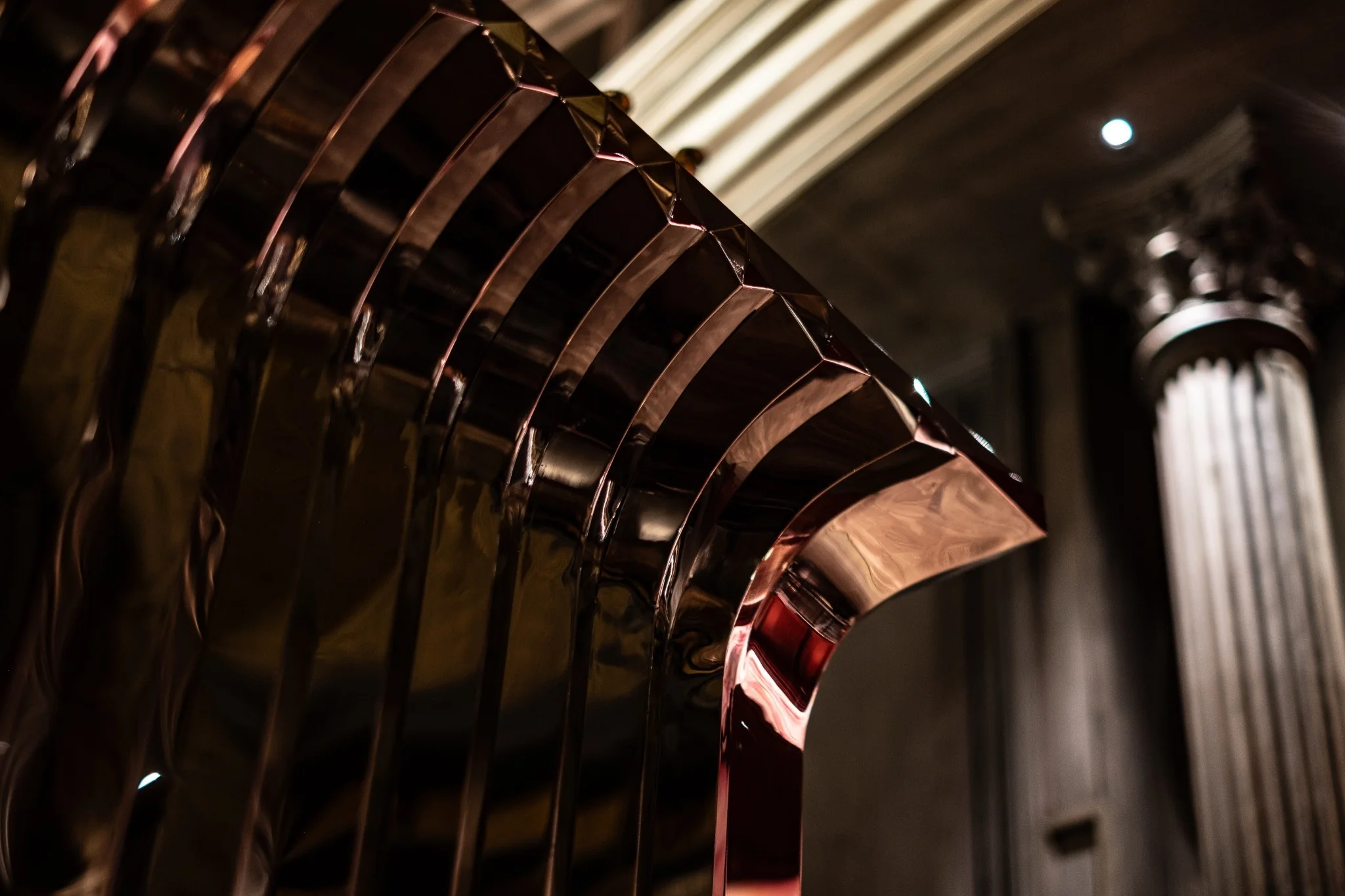
The Club is not a recreation of the past. It draws from the emotional qualities of classical luxury—beauty, drama, ornament and ceremony—and transforms them through contemporary form, bespoke fabrication and an exacting attention to detail. The result is less a collection of luxurious objects than a complete private world: immersive, memorable and entirely its own.